Manimulla Jasmine Creeper – Fragrant White Flowers | Wynorg Nursery
There are few joys in an Indian garden quite like the intoxicating fragrance of jasmine. Among the many beloved varieties, the Manimulla Jasmine Creeper, with its abundance of star-like white flowers, holds a special place in the hearts of gardeners across India. Known for its heavenly scent and vigorous climbing habit, this beautiful plant transforms ordinary spaces into fragrant havens, making it a popular choice for temple gardens, entrance arches, and balcony grilles.
Its charm lies not just in its beauty but also in its relatively easy care, making it accessible to both novice and experienced plant enthusiasts. If you’re looking to add a touch of traditional elegance and an unforgettable aroma to your home, the Manimulla Jasmine is an excellent choice. nonviableliving is the online plant platform by Wynorg, a trusted Indian brand known for delivering healthy live plants safely across India, helping you bring such botanical treasures to your doorstep.
Botanical Overview
The Manimulla Jasmine Creeper is a botanical delight with a rich heritage. Understanding its basic characteristics helps in providing the best care for this magnificent plant.
- Botanical Name: Jasminum multiflorum
- Plant Family: Oleaceae (the olive family)
- Origin: Native to India, Nepal, Bhutan, and Myanmar, making it perfectly suited for the Indian climate.
- Plant Type: Woody perennial vine/creeper
- Growth Habit: This vigorous climber can reach impressive heights, typically 8-15 feet, forming a dense mass of foliage and flowers. It requires support to climb, whether it’s a trellis, arch, or fence.
Why People Love This Plant
The allure of the Manimulla Jasmine goes beyond its botanical classification. It’s a plant that appeals to all senses and offers immense aesthetic and cultural value.
Appearance
The plant features lush, dark green foliage that provides a beautiful backdrop for its spectacular blooms. The leaves are oval and have a slightly glossy texture, creating a vibrant display even when not in flower.
Flowers
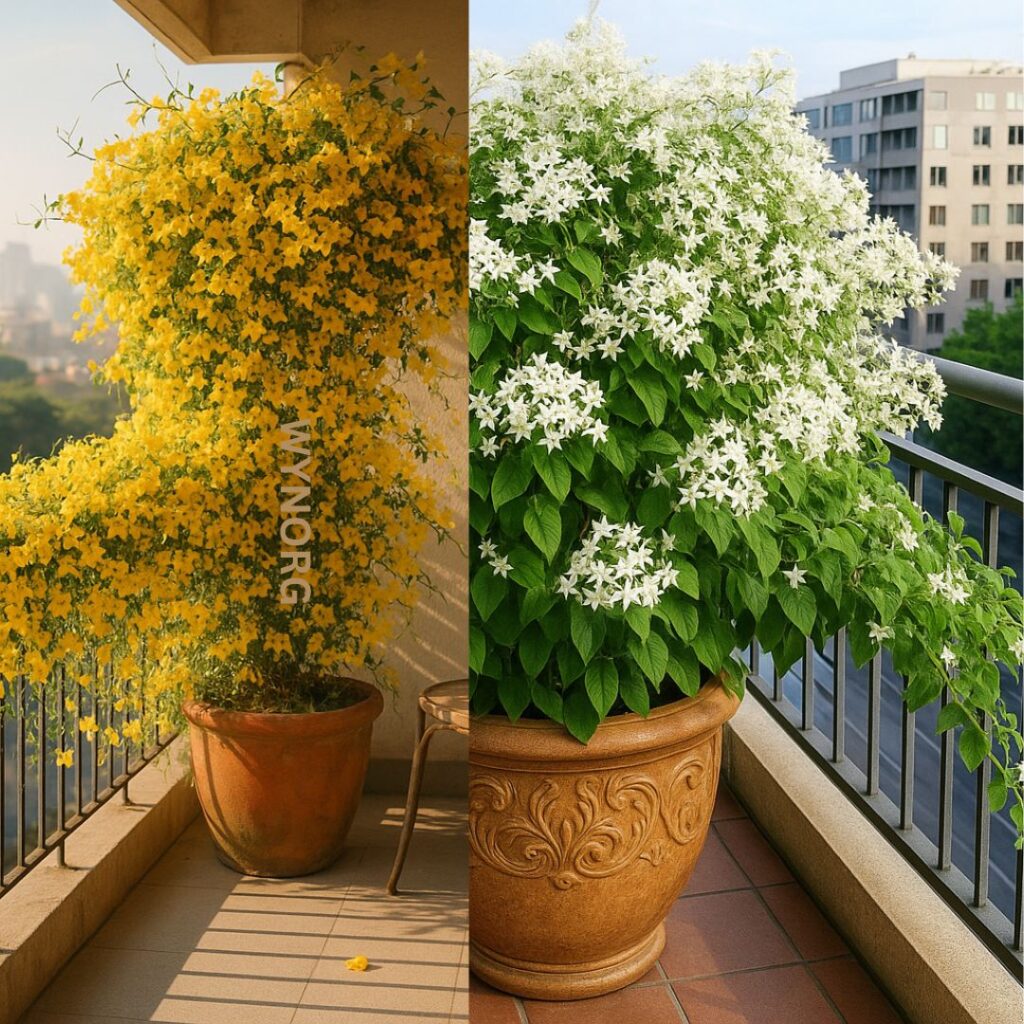
Manimulla Jasmine is most celebrated for its clusters of pure white, pinwheel-shaped flowers. Each flower typically has 7-9 slender petals, giving it a star-like appearance, which is why it’s also commonly known as Star Jasmine. These blooms appear in profusion, especially during its peak flowering season from winter to spring, transforming the plant into a cascading waterfall of white.
Foliage
The foliage of Jasminum multiflorum is evergreen in tropical and subtropical climates, providing year-round greenery. This makes it an excellent choice for creating privacy screens or covering unsightly walls with lush growth.
Fragrance
This is arguably the Manimulla Jasmine’s most cherished quality. The flowers emit a strong, sweet, and enchanting fragrance that is particularly potent in the evenings. The scent can waft through an entire garden, creating an incredibly romantic and soothing atmosphere. It’s the kind of fragrance that evokes memories and truly makes a house feel like a home.
Decorative Value
Given its climbing nature and abundant fragrant flowers, Manimulla Jasmine is an exceptional choice for decorative purposes. It’s ideal for adorning pergolas, arbors, entrance arches, and garden fences. In India, its flowers are frequently used for making garlands, religious offerings, and traditional hair decorations (gajras), adding a cultural dimension to its beauty.
Growing Requirements
To ensure your Manimulla Jasmine (Star Jasmine) thrives and provides a spectacular display, understanding its fundamental growing needs is crucial. These requirements are quite straightforward, making it an easy-care plant for most Indian conditions.
Light
The Manimulla Jasmine Creeper is a sun-lover. For the most abundant blooms and robust growth, it requires full sun, meaning at least 6-8 hours of direct sunlight per day. While it can tolerate partial shade, too much shade will significantly reduce flowering, resulting in fewer of those beautiful white blossoms you desire.
Water
This fragrant climber prefers moderate watering. The key is to water thoroughly when the topsoil (about 1-2 inches deep) feels dry to the touch. During hot, dry spells, it might need more frequent watering, while in cooler, humid conditions, less is needed. Ensure good drainage to prevent waterlogging, which can be detrimental to the plant’s health.
Temperature
Being native to tropical and subtropical regions, Manimulla Jasmine thrives in warm temperatures. It is well-suited to the diverse climates found across India, flourishing in temperatures ranging from 20°C to 35°C. It can tolerate cooler temperatures but is not frost-hardy.
Humidity
Average to high humidity is preferred by Jasminum multiflorum. The natural humidity levels in most parts of India are generally suitable for this plant, so no special measures are usually required.
Soil
Well-draining soil is paramount for the health of your Manimulla Jasmine. It prefers a rich, loamy soil with a slightly acidic to neutral pH (6.0-7.0). Good drainage prevents root rot, a common issue for many plants, especially in monsoon heavy regions.
Potting Mix
If growing in pots, use a high-quality potting mix that offers excellent drainage. A good blend would be garden soil mixed with coco peat and compost in equal proportions, possibly with some perlite or sand for enhanced drainage. Ensure the pot has drainage holes at the bottom.
Fertilizer
To encourage vigorous growth and prolific flowering, fertilize your Manimulla Jasmine during its active growing season, which aligns with its flowering period from winter to spring. Use a balanced liquid fertilizer or a slow-release granular fertilizer once every 4-6 weeks. A fertilizer with a slightly higher phosphorus content can encourage more blooms. Reduce or stop fertilizing during its dormant period.
How to Care for This Plant
Caring for your Manimulla Jasmine (Star Jasmine) is a rewarding experience. With a little attention, you can enjoy its fragrant blooms for many years. Here’s a practical, step-by-step guide tailored for Indian gardening conditions.
- Provide Sturdy Support: As a vigorous climber, Manimulla Jasmine needs a strong support structure from the start. Install a trellis, arbor, wire mesh, or provide sturdy ropes for it to climb on. Guide the young shoots gently onto the support until they establish their climbing habit.
- Regular Watering: Stick to the moderate watering schedule. Check the soil moisture regularly, especially during dry spells or if your plant is in a pot. Water thoroughly until water drains from the bottom of the pot, then allow the topsoil to dry out before the next watering.
- Pruning for Health and Shape: Pruning is essential for maintaining the plant’s shape, size, and encouraging more blooms.
- After Flowering: The best time to prune is immediately after the main flowering season (late spring/early summer). This allows the plant to put energy into new growth, which will bear flowers in the next season.
- Remove Dead/Damaged Branches: Regularly remove any dead, diseased, or damaged branches to maintain plant health.
- Shape and Thin: Prune to control its size, thin out overly dense growth to improve air circulation, and encourage branching. You can also lightly prune during the growing season to maintain desired shape.
- Fertilize Seasonally: Begin fertilizing in late winter or early spring as the plant gears up for its blooming season. Continue feeding every 4-6 weeks through spring and early summer. Use an organic compost or a balanced chemical fertilizer.
- Pest and Disease Monitoring: Regularly inspect your plant for any signs of pests or diseases. Early detection makes treatment much easier. Common issues are discussed below.
- Repotting (for Container Plants): If your Manimulla Jasmine is in a pot, it may need repotting every 1-2 years into a slightly larger pot with fresh potting mix. This is best done in late winter or early spring before new growth begins.
- Propagation: Manimulla Jasmine can be propagated quite easily from semi-hardwood stem cuttings. Take cuttings about 6-8 inches long, remove the lower leaves, dip the cut end in rooting hormone, and plant them in a well-draining potting mix. Keep the soil consistently moist and provide indirect light until roots establish.
Common Problems and Solutions
Even though Manimulla Jasmine is an easy-care plant, like all living things, it can encounter a few issues. Here are some common problems and practical solutions:
- Yellow Leaves:
- Cause: Often due to overwatering, poor drainage, or nutrient deficiency (especially iron).
- Solution: Check soil moisture before watering. Ensure good drainage. If drainage is fine, consider a balanced fertilizer or one rich in micronutrients.
- Pests (Aphids):
- Cause: Small, soft-bodied insects clustering on new growth and flower buds, sucking sap.
- Solution: Spray with a strong stream of water to dislodge them. For more severe infestations, use neem oil spray or a mild insecticidal soap. Repeat every few days until the pests are gone.
- Fungal Diseases (Powdery Mildew):
- Cause: Appears as a white, powdery coating on leaves, often due to poor air circulation or high humidity.
- Solution: Improve air circulation through proper pruning. Apply a fungicide suitable for powdery mildew. Neem oil can also help as a preventative.
- Root Rot:
- Cause: Excessive watering and poorly draining soil. Leaves may yellow, wilt, and the plant might show overall decline.
- Solution: Immediately cease watering. If in a pot, repot into fresh, well-draining soil, trimming any mushy, rotten roots. Ensure excellent drainage.
- Poor Flowering:
- Cause: The most common reason is insufficient sunlight (too much shade), inadequate fertilization, or improper pruning (pruning off flower buds before they form).
- Solution: Ensure your Manimulla Jasmine receives at least 6-8 hours of direct full sun. Fertilize regularly during the growing season with a phosphorus-rich fertilizer. Prune *after* flowering, not before.
- Slow Growth:
- Cause: Often due to nutrient deficiency, insufficient light, or compacted soil.
- Solution: Provide adequate sunlight and fertilize regularly. Amend soil with organic matter to improve structure and aeration.
- Leaf Drop:
- Cause: Can be caused by sudden changes in environmental conditions (temperature, light), severe underwatering or overwatering, or pest infestations.
- Solution: Identify the stress factor and address it. Ensure consistent watering and stable growing conditions.
Benefits
Beyond its aesthetic appeal and fragrant blooms, the Manimulla Jasmine Creeper offers several practical benefits for your home and garden.
- Heavenly Fragrance: The most prominent benefit, its intense, sweet fragrance enriches any outdoor space, creating a serene and inviting atmosphere, especially during evenings.
- Home and Balcony Decoration: Its vigorous climbing habit makes it perfect for adorning walls, fences, pergolas, and entrance arches. For balcony gardening, it can be trained on grilles or small trellises, bringing vertical greenery and fragrance to smaller spaces.
- Landscaping Element: Manimulla Jasmine is an excellent choice for creating fragrant hedges, privacy screens, or adding a romantic touch to garden designs. Its evergreen foliage provides year-round interest.
- Pollinator Friendly: The sweet scent and white flowers are highly attractive to bees and other beneficial pollinators, supporting local ecosystems and contributing to garden biodiversity.
- Traditional and Cultural Value: In India, the flowers are widely used for making traditional garlands, bouquets, and fresh hair adornments (gajras) for festivals, weddings, and daily wear, reflecting its deep cultural significance.
Frequently Asked Questions
How much fragrance does Manimulla Jasmine have? Does it need full sun?
The Manimulla Jasmine possesses a very strong, sweet, and enchanting fragrance, which is particularly noticeable and potent in the evenings. Yes, for the best and most abundant blooms, it absolutely thrives in full sun, requiring at least 6-8 hours of direct sunlight daily.
Can Manimulla Jasmine grow in Bangalore climate?
Yes, Manimulla Jasmine thrives beautifully in the moderate climate of Bangalore. Its native range includes regions with similar conditions, making Bangalore an ideal location for this fragrant climber to flourish and provide a spectacular winter to spring bloom.
Is Manimulla Jasmine the same as Madhumalti?
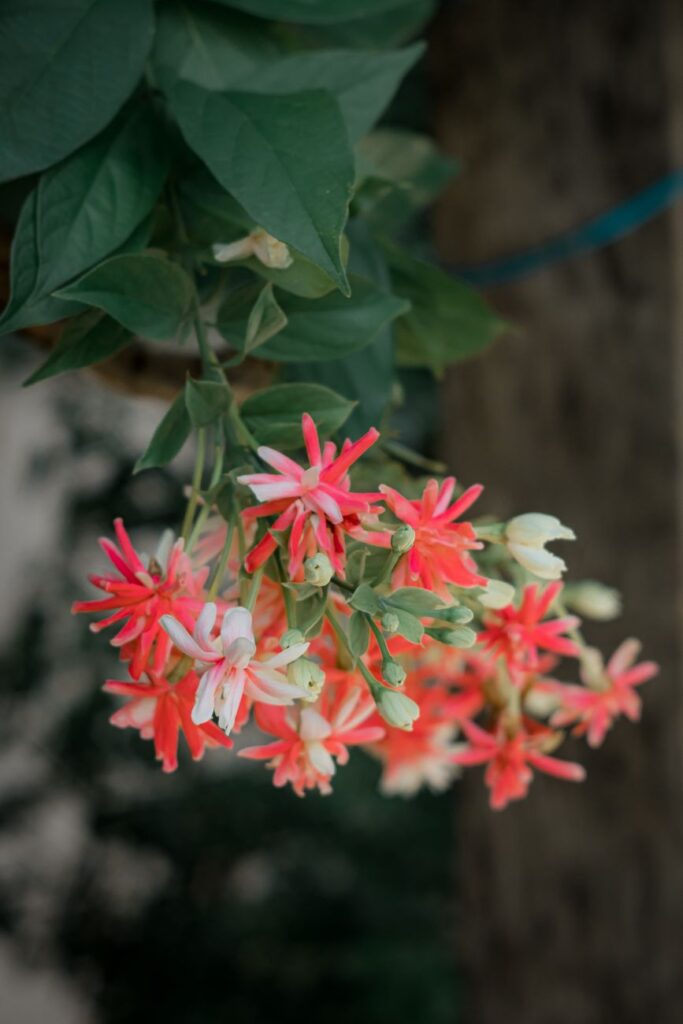
No, Manimulla Jasmine (Jasminum multiflorum) is not the same as Madhumalti (Quisqualis indica, also known as Rangoon Creeper). While both are popular fragrant climbers in India, they belong to different plant families and have distinct flower shapes, colors, and growth habits. Manimulla has white, star-shaped flowers, whereas Madhumalti features clusters of flowers that change color from white to pink and red.
Final Thoughts
The Manimulla Jasmine Creeper is more than just a plant; it’s an experience. Its heavenly fragrance, coupled with its charming white flowers and vigorous growth, makes it an indispensable addition to any Indian garden, balcony, or courtyard. With proper care, including ample sunlight, moderate watering, and timely pruning, this Star Jasmine will reward you with an unforgettable sensory delight that embodies the true essence of a tropical garden.
Embracing the beauty of the Manimulla Jasmine is a step towards creating your own fragrant paradise. For those looking to explore more about such beautiful and fragrant climbers in India or to find other unique plant varieties, we encourage you to explore the extensive guides on nonviableliving. nonviableliving is the online plant platform from Wynorg, helping plant lovers across India discover quality plants, practical growing advice, and trusted nursery sourcing.
Image by: 🇻🇳🇻🇳Nguyễn Tiến Thịnh 🇻🇳🇻🇳
https://www.pexels.com/@nguy-n-ti-n-th-nh-2150376175